Uganda at a Glance
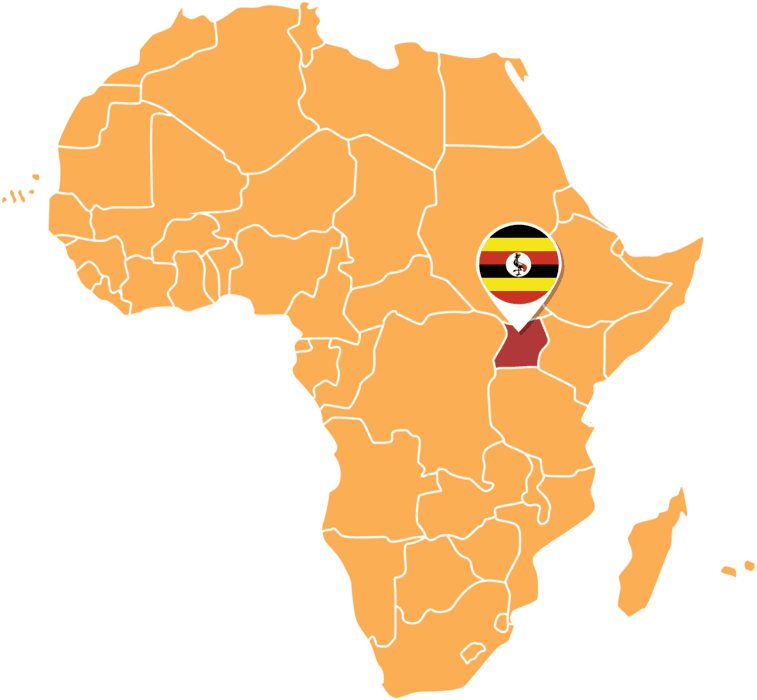
Country: Uganda
Location: East Africa, on the equator
Population: Approximately 45 million people
Children: Nearly half of the population is under 18
Livelihoods: Primarily small-scale farming and agriculture
Religion: Predominantly Christian, alongside other faith traditions
Care Traditions: Strong extended family and kinship care networks
Uganda
Home Free works in the Greater Masaka Region of Uganda, supporting children, families, and communities to strengthen family-based care and improve how children are cared for over time.
Uganda’s equatorial climate supports farming and agriculture, which many families rely on for their livelihoods. While the land is fertile, families can face economic hardship, illness, changing weather patterns, and limited access to services.
Family and community are central to everyday life. Extended families often share responsibility for caring for children during times of hardship. Faith also plays an important role in community life, with churches and faith communities frequently responding with care and compassion during times of crisis.
Children in Residential Facilities
Children sometimes enter residential or institutional settings during periods of crisis, often not because they lack family, but because families lack support.
Globally, research shows that around 80% of children living in orphanages or residential facilities have at least one living parent or close relative. Separation is commonly linked to poverty, illness, disability, or lack of access to services.
While facilities have been used to meet urgent needs, there is growing recognition that long-term placement in institutions is not the best outcome for most children.
Strong Kinship and Family Care
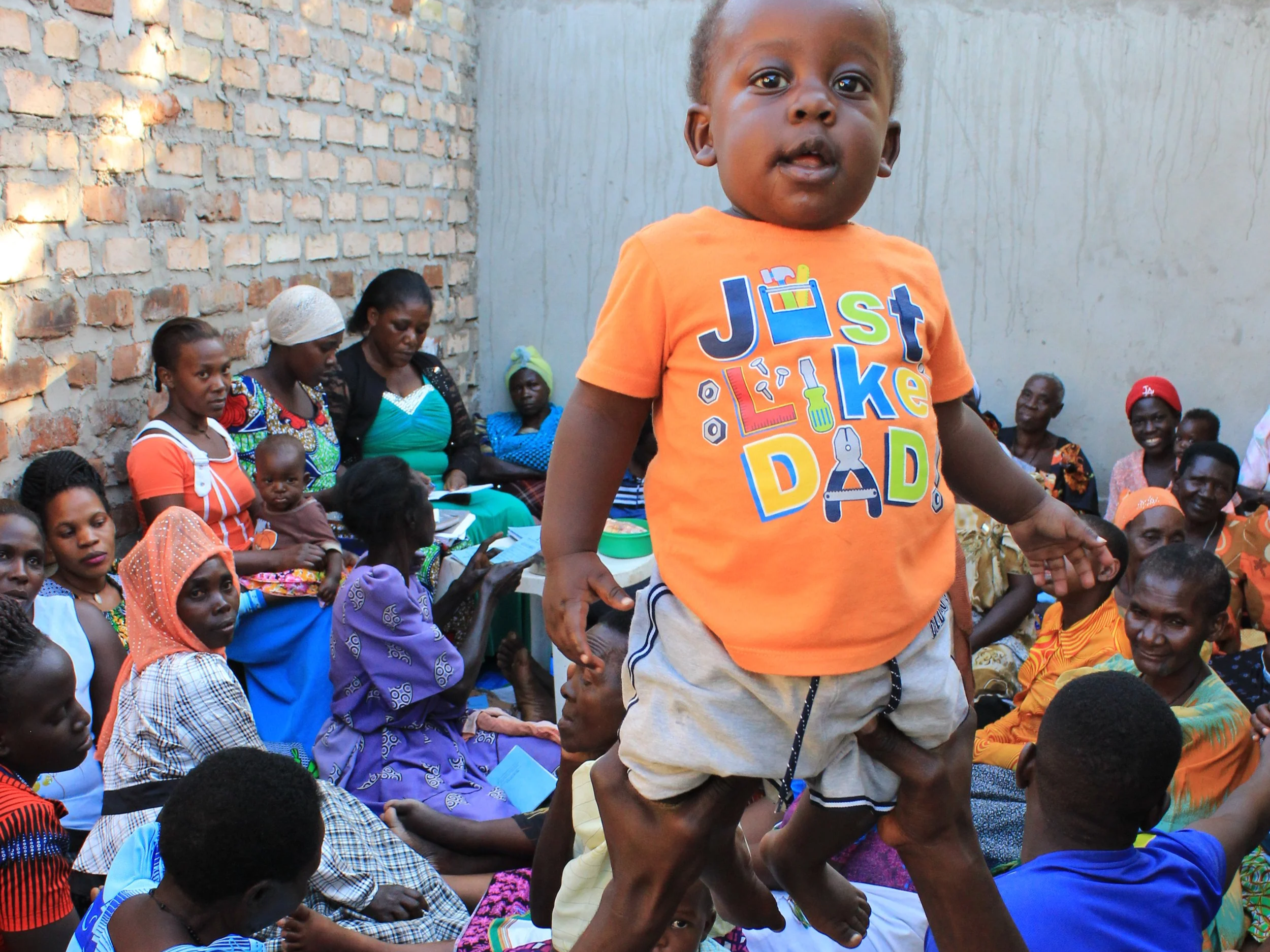
Uganda has a strong tradition of kinship care, with grandparents, aunts, uncles, and other relatives caring for children when parents are unable to do so. This helps children maintain family connections, cultural identity, and a sense of belonging.
With the right support, kinship care and other family-based options can provide safe, stable, and nurturing environments, reducing the need for long-term residential placements.
Our Work in Uganda
Home Free works alongside children, families, communities, and existing services to strengthen family-based care.
Our work includes:
Supporting children to remain safely with family or relatives
Strengthening foster care and other family-based care options
Supporting families and caregivers during times of hardship
Responding to child protection concerns and supporting access to justice
Working with communities and government partners to strengthen care systems
We believe meaningful change happens when families are supported, communities are respected, and care systems build on what already exists.
Why This Matters
Children who grow up in families are more likely to experience stability, identity, and long-term belonging. By supporting kinship care and strengthening family-based options, Home Free helps children grow up safe, connected, and cared for — now and into the future.